Understanding the Role of 'Sudski Preveduvaci' in North Macedonia


Introduction to Sudski Preveduvaci
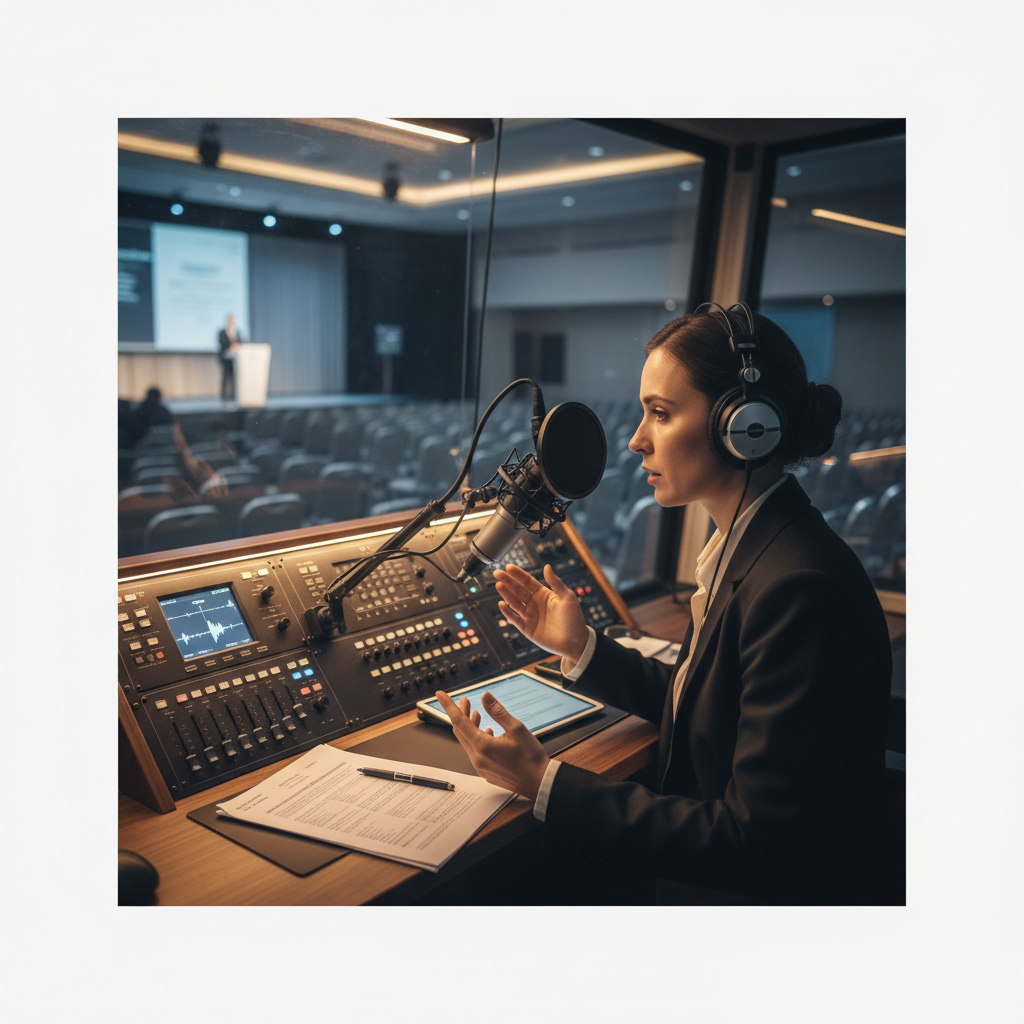
In North Macedonia, the role of Sudski Preveduvaci, or court interpreters, is crucial in ensuring effective communication within the legal system. These professionals bridge language barriers, facilitating clear and accurate exchanges between parties who speak different languages. Their expertise is indispensable in a multilingual nation like North Macedonia.
The Importance of Accurate Interpretation
Accurate interpretation is vital in legal settings where misunderstandings can lead to serious consequences. Sudski Preveduvaci are trained to provide precise translations, ensuring that all parties fully understand the proceedings. They help maintain the integrity of the legal process, preventing miscommunications that could affect the outcome of a case.
Training and Certification
Becoming a Sudski Preveduvac involves rigorous training and certification. Candidates must demonstrate proficiency in both the source and target languages, as well as a deep understanding of legal terminology. This ensures they are equipped to handle the complexities of court proceedings with professionalism and accuracy.

Roles and Responsibilities
The primary responsibility of a Sudski Preveduvac is to provide interpretation during court hearings, depositions, and legal consultations. They must remain impartial and objective, translating spoken words without adding personal bias or altering the message. This neutrality is essential to uphold justice and fairness in the legal system.
Challenges Faced by Court Interpreters
Court interpreters face numerous challenges, including managing high-stress situations and interpreting technical legal jargon. They must also navigate cultural nuances to ensure accurate communication. This requires not only linguistic skills but also cultural awareness and sensitivity.

The Impact on Multilingual Communities
In a diverse country like North Macedonia, Sudski Preveduvaci play a significant role in supporting multilingual communities. By facilitating communication, they ensure that individuals who do not speak the official language have equal access to justice. This is crucial for upholding the rights of all citizens.
Future Prospects and Developments
As North Macedonia continues to evolve, the demand for skilled Sudski Preveduvaci is expected to grow. Advances in technology, such as translation software, may offer support, but the need for human expertise remains indispensable. The personal touch and cultural understanding provided by human interpreters cannot be replicated by machines.

Conclusion
Sudski Preveduvaci serve as vital links in the chain of justice in North Macedonia. Their role in ensuring clear communication and fair legal proceedings cannot be overstated. As the country continues to embrace its linguistic diversity, the importance of these professionals will only increase, reinforcing the need for ongoing training and development in this essential field.